Adding a water feature to your garden can transform your outdoor space, creating a peaceful atmosphere with soothing sounds and a touch of elegance. However, traditional garden fountains can consume a significant amount of electricity, which may not be ideal for homeowners looking for energy-efficient solutions. Enter solar-powered garden fountains—an eco-friendly alternative that allows you to enjoy the beauty and tranquility of a water feature while reducing your carbon footprint. In this article, we will explore the benefits of solar-powered fountains, how they work, and why they are a smart investment for both the environment and your garden.
How Solar-Powered Garden Fountains Work
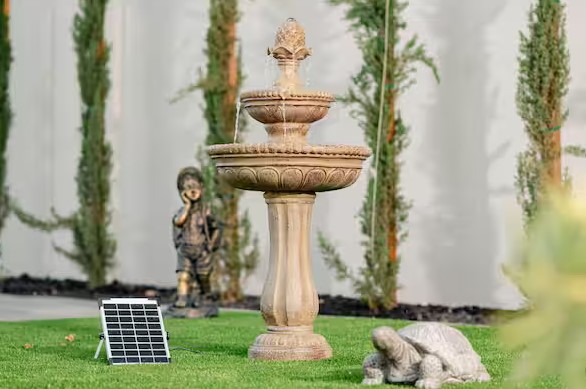
Solar-powered garden fountains harness the sun’s energy to run a pump that circulates water. These fountains are typically equipped with solar panels that capture sunlight during the day, converting it into electricity. This energy then powers the water pump, which keeps the water flowing in the fountain. Most solar-powered fountains come with an integrated battery that stores excess energy for operation during cloudy days or at night, ensuring the fountain continues to work without direct sunlight.
The system is designed to be self-sustaining, meaning it doesn’t require external electrical connections. This eliminates the need for a power outlet or complicated wiring, making installation quick and easy. Additionally, since solar-powered fountains run on renewable energy, they have little to no environmental impact, making them a sustainable and cost-effective option for enhancing your garden.
Benefits of Solar-Powered Garden Fountains
1. Eco-Friendly and Sustainable
The most significant benefit of solar-powered garden fountains is their eco-friendliness. These fountains use solar energy, a renewable resource, to operate, which helps reduce your reliance on fossil fuels. By switching to solar, you contribute to reducing greenhouse gas emissions and lowering your carbon footprint. This is an excellent choice for environmentally conscious homeowners looking to make more sustainable choices in their gardens.
In addition, solar-powered fountains do not require an external power supply, so they help to conserve electricity. You’ll not only be saving money on your energy bills, but you’ll also be helping reduce the demand on the power grid, which can further contribute to environmental preservation.
2. Cost-Effective
While the initial investment in a solar-powered fountain may be slightly higher than traditional electric models, the long-term savings can be substantial. Since solar-powered fountains run on energy derived from the sun, there are no monthly electricity costs associated with their use. Once installed, the fountain requires minimal maintenance and no ongoing power expenses, making it a highly cost-effective option over time.
Additionally, many solar-powered fountains are designed to be durable and low-maintenance. With no electrical wiring to worry about, you won’t need to worry about costly repairs or maintenance that are often required with electric-powered fountains. The fact that they don’t rely on a continuous power supply also makes them less prone to damage caused by power surges or outages.
3. Easy Installation and Mobility
Another benefit of solar-powered garden fountains is their ease of installation. Unlike traditional fountains that require complex wiring, solar-powered fountains are simple to set up. Since they are typically self-contained systems, all you need to do is place the fountain in your desired location, ensure it gets ample sunlight, and connect the pump and solar panels. Many models come with everything needed for installation, including the pump, solar panels, and battery storage system.
Furthermore, solar-powered fountains are highly portable. Since they don’t require permanent wiring or connection to a power source, you can move them to different parts of your garden, depending on where you want to create a focal point or enhance the aesthetics of your space. If you redesign your garden or change the layout, you can easily relocate the fountain without needing to rewire or make significant adjustments.
4. Low Maintenance
Compared to traditional fountains that may require regular cleaning of the electrical components and wires, solar-powered fountains generally require very little maintenance. Most solar fountains have fewer parts, and since they don’t have wiring or complex electrical components, there is less that can go wrong. The primary task will be cleaning the pump and ensuring that the solar panels remain free of dirt, dust, or debris, which can block sunlight and affect performance.
Many solar fountains also come with built-in features that help prevent the pump from clogging, reducing the frequency of maintenance tasks. With proper care, a solar-powered fountain can last for many years without needing significant repairs.
Choosing the Right Solar-Powered Garden Fountain
When selecting a solar-powered garden fountain, it’s essential to consider several factors to ensure it meets your needs and complements your garden’s design.
1. Size and Style
Solar-powered fountains come in various sizes and designs, ranging from small tabletop fountains to large, ornate structures. The size and style of the fountain should be chosen based on the scale of your garden and the type of aesthetic you want to achieve. For smaller gardens or balconies, a compact, simple design may be more appropriate, while larger spaces may benefit from a more elaborate, statement-making fountain.
Consider the overall design of your garden when selecting the fountain style. Whether you prefer a modern minimalist design or a more traditional, rustic look, there is a solar-powered fountain to match your preferences.
2. Sunlight Exposure
To ensure that your solar-powered fountain operates efficiently, it’s important to place it in an area that receives ample sunlight throughout the day. The solar panels need direct exposure to the sun to generate the energy required for the pump to run effectively. Before installation, assess the sunlight patterns in your garden to determine the best location for your fountain.
If your garden has areas with partial shade, you may want to consider a solar fountain with a larger solar panel or an integrated battery storage system. These features can help store energy for use during cloudy days or in shaded areas, providing more consistent performance.
3. Water Flow and Sound
Different fountains have varying water flow capabilities, so consider the type of sound and flow that you want from your fountain. Some solar-powered fountains offer a gentle trickle, ideal for creating a calm, relaxing atmosphere, while others have a more powerful stream that produces a louder, more dramatic water sound. Choose a fountain that aligns with the mood you wish to set in your garden.
Additionally, consider whether you want a self-contained water feature or one that recycles water from a larger pond or reservoir. Many solar-powered fountains are designed to work as standalone units, but some can also be integrated with existing water features to create a more expansive landscape.
Solar-powered garden fountains offer an excellent way to enhance the beauty and tranquility of your outdoor space while promoting sustainability. By utilizing the sun’s energy, these fountains are an eco-friendly and cost-effective solution for homeowners looking to add a water feature to their garden. Not only do they reduce electricity consumption and lower energy costs, but they are also easy to install, require minimal maintenance, and provide long-lasting benefits. With a wide variety of styles and designs available, there is a solar-powered fountain for every garden, allowing you to create a beautiful, energy-efficient oasis in your own backyard.