When it comes to home insulation, most people tend to focus on the walls, windows, and roof. However, the floor plays a crucial role in maintaining a comfortable indoor temperature and improving energy efficiency. Insulated flooring options are becoming an increasingly popular choice for homeowners who want to enhance their home’s comfort while saving on energy bills. By installing the right type of flooring, you can effectively reduce heat loss, maintain a stable indoor climate, and create a cozier living space. In this article, we will explore the various insulated flooring options available, their benefits, and how they can contribute to a warmer, more energy-efficient home.
What Are Insulated Flooring Options?
Insulated flooring refers to flooring systems designed with materials that provide thermal resistance, reducing heat transfer between the floor and the living space above it. These options typically incorporate layers of insulating materials that help prevent heat from escaping through the floor, especially in colder climates. Not only do insulated floors improve thermal comfort, but they also help lower energy consumption by reducing the need for excessive heating.
In addition to thermal insulation, these floors often have soundproofing qualities, making them an excellent choice for reducing noise between rooms or from external sources. Insulated flooring is available in a range of materials, from hardwood to engineered options, and can be customized to suit the specific needs of your home.
Popular Insulated Flooring Materials
When it comes to selecting the right insulated flooring options, there are several materials and systems to choose from. Below, we explore some of the most common choices, along with their respective benefits and applications.
1. Underfloor Heating with Insulated Floor Panels
Underfloor heating systems have become a popular choice for homeowners seeking both warmth and energy efficiency. These systems work by embedding heating cables or mats beneath the flooring surface, which then radiate heat across the room. To maximize efficiency, it is crucial to pair underfloor heating with insulated floor panels. These panels, often made from materials like polystyrene or cork, help trap the heat within the room, preventing it from being lost through the floor.
The benefit of this system is that it provides even, comfortable heat without the need for visible radiators or vents. Additionally, the installation of insulated floor panels under the heating system enhances the performance and energy efficiency of the underfloor heating, resulting in lower energy consumption and consistent indoor temperatures.
2. Cork Flooring
Cork is an excellent natural material that offers both thermal insulation and soundproofing. Cork floors are inherently insulating because of their unique cellular structure, which contains tiny air pockets that trap heat. As a result, cork flooring can help maintain a consistent temperature in your home and reduce the amount of heat lost through the floor.
In addition to its insulating properties, cork is soft underfoot, making it a comfortable choice for areas like kitchens, living rooms, and home offices. It is also an eco-friendly option, as cork is sustainably harvested from the bark of cork oak trees. The natural, warm appearance of cork also adds an aesthetic appeal to any room, making it a versatile and energy-efficient flooring choice.
3. Carpet with Padding
Carpet is another flooring option that offers natural insulation. When paired with high-quality underlay or padding, carpets can effectively trap heat within the room and prevent it from escaping through the floor. The thicker the carpet and padding, the more effective it will be at insulating your home. High-density underlays made from foam or rubber are especially efficient at providing extra thermal protection.
Carpets also provide added benefits in terms of comfort and soundproofing. The plush, soft texture underfoot makes carpets a great option for bedrooms and living areas. They are available in a wide range of styles and colors, offering homeowners plenty of choices to match their interior design.
4. Engineered Wood Flooring
Engineered wood flooring consists of multiple layers of wood and plywood, which are bonded together to create a strong and stable surface. The top layer is made of real hardwood, while the core layers provide added strength and insulation. Because of its layered construction, engineered wood flooring has better thermal insulation properties than solid hardwood, making it a great option for homes looking to improve energy efficiency.
Additionally, engineered wood floors are more resistant to expansion and contraction due to changes in temperature and humidity, making them a good choice for areas that experience fluctuating conditions. The natural beauty of wood combined with its insulating properties makes this a popular choice for homeowners seeking both aesthetic appeal and energy efficiency.
5. Vinyl Flooring with Insulation Backing
Vinyl flooring is a highly versatile, durable, and cost-effective option that can also provide some level of insulation, especially when it comes with an insulated backing. Vinyl floors with foam or cork backing offer thermal resistance, helping to keep the floor warm and preventing heat from escaping. These types of vinyl floors are often used in areas like bathrooms, kitchens, and basements, where moisture resistance is a key consideration.
While vinyl itself is not as naturally insulating as materials like cork or engineered wood, the addition of an insulating layer significantly enhances its thermal performance. Vinyl flooring with insulation is also available in a wide range of colors and patterns, allowing homeowners to match it to their décor.
Installation Tips for Insulated Flooring Options
Proper installation is key to ensuring that your insulated flooring options provide maximum thermal efficiency. Here are some tips to help you achieve the best results:
1. Ensure Proper Subfloor Preparation
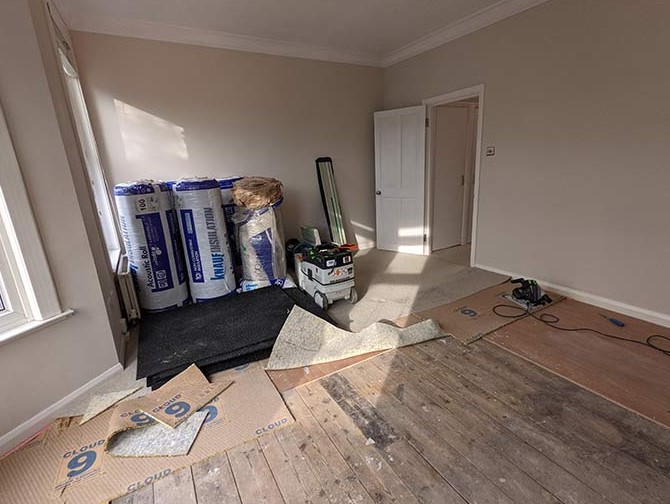
Before installing insulated flooring, it’s important to ensure that your subfloor is clean, dry, and level. Any moisture or unevenness in the subfloor can affect the performance of your insulation and lead to future issues with your floor. If you’re installing underfloor heating, the subfloor preparation will be even more critical to ensure the even distribution of heat.
2. Use High-Quality Insulating Materials
When choosing insulating materials, make sure they are high quality and suitable for your specific flooring type. For example, underfloor heating systems work best with foam or polystyrene panels, while cork flooring naturally provides its own insulation. Don’t skimp on insulation materials—investing in high-quality products will pay off in the long run with better energy savings and comfort.
3. Consider Professional Installation
While many types of insulated flooring can be installed by DIY enthusiasts, certain systems—like underfloor heating—may require professional installation to ensure optimal performance. A professional installer will have the expertise to properly lay down the insulation, heating cables, or mats, and ensure that everything is functioning efficiently.
Choosing the right insulated flooring options can dramatically improve the comfort and energy efficiency of your home. Whether you opt for underfloor heating with insulated panels, the natural insulating properties of cork, or the affordability of vinyl with insulation backing, there are numerous ways to keep your home warm and cozy. Proper insulation reduces heat loss, lowers energy bills, and makes your indoor environment more comfortable year-round. By investing in high-quality, energy-efficient flooring, you’re not only improving your home’s thermal performance but also contributing to a more sustainable and eco-friendly living space.