A few years ago, I was called to audit a light-industrial commercial workshop where overhead lighting circuits were intermittently tripping main breakers. When we dismantled the aging metallic raceway, we found severe internal corrosion and water pooling that had eaten through the wire insulation, creating dangerous short circuits.
Replacing that compromised metallic setup with a modern conduit pipe PVC system completely eliminated the moisture issue and saved the facility thousands of dollars in recurring maintenance. Over my ten-plus years in home improvement and electrical logistics, I have seen firsthand how switching to non-metallic raceways transforms vulnerable wiring into bulletproof infrastructure.
Whether you are retrofitting a residential garage, setting up a workshop, or running underground power to a detached barn, understanding how to engineer reliability with conduit pipe PVC is one of the most valuable skills you can master.
The Backbone of Cable Infrastructure: Why Conduit Pipe PVC Outperforms Legacy Metal Systems
Many property owners assume that steel or aluminum electrical tubing is inherently superior simply because it is metal. However, in environments exposed to ambient humidity, chemical fumes, or direct soil contact, metal raceways eventually rust, pit, and fail.
 [ Electrical Conductor / Wire ]
                │
                ▼
  [ Smooth Inner PVC Raceway ]   ◄── Low Pulling Friction (Zero Snags)
                │
                ▼
   [ Rigid PVC Conduit Wall ]    ◄── Non-Corrosive & Flame-Retardant
                │
                ▼
  [ External Environment / Soil ] ◄── Impervious to Moisture & Chemicals
Think of your electrical wiring as the delicate nervous system of your property. Using conduit pipe PVC is like housing those nerves inside a seamless, synthetic armor—it provides a non-conductive, completely waterproof barrier that never corrodes, rusts, or degrades when exposed to harsh soil chemistry.
Here is why non-metallic raceways have become the industry standard across modern residential and industrial projects:
-
Superior Dielectric Strength: As an electrical insulator, PVC prevents accidental grounding faults if a conductor’s insulation wears down inside the pipe.
-
Complete Chemical and Corrosion Resistance: Unlike metallic tubing, PVC resists dampness, road salts, fertilizers, and acids commonly found in agricultural or garage subfloors.
-
Lightweight Transport Logistics: PVC weighs roughly one-fifth of rigid steel conduit, making shipping, handling, and overhead ladder installation dramatically faster and safer.
-
Cost-Effective Long-Term ROI: Lower upfront material costs combined with reduced labor times deliver unbeatable cost-per-foot performance.
Schedule 40 vs. Schedule 80 Conduit Pipe PVC: Decoding Wall Thickness and Impact Resistance
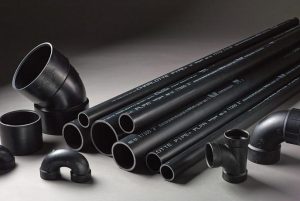
One of the most common mistakes beginners make is grabbing the first bundle of gray pipe they see at the supply yard. In the electrical trade, Rigid Non-Metallic Conduit (RNC) made of PVC comes primarily in two distinct wall thicknesses: Schedule 40 and Schedule 80.
Schedule 40 PVC Conduit: The Versatile Standard
Schedule 40 features a thinner wall profile, offering maximum internal wire capacity at a lower price point. It is approved under National Electrical Code (NEC) guidelines for underground burial, concrete encasement, and concealed interior wall cavities where physical damage is unlikely.
Schedule 80 PVC Conduit: Heavy-Duty Structural Armor
Schedule 80 utilizes the exact same outer diameter as Schedule 40 but boasts a significantly thicker wall. This thick-walled construction decreases the internal diameter slightly but provides heavy impact protection.
-
Where to Use Schedule 80: Exposed outdoor walls below 8 feet, high-traffic workshop floors, or areas subject to physical impacts from lawnmowers, vehicles, or equipment.
Critical Logistics and Installation Mechanics for Conduit Pipe PVC
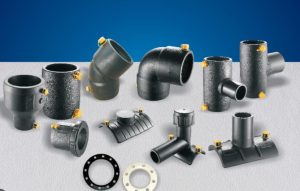
Installing rigid non-metallic conduit requires a different approach than joining copper plumbing or threading steel pipes. The chemical bonding process creates an airtight, watertight monolithic structure when executed correctly.
┌─────────────────────────────────────────────────────────┐
│              SOLVENT WELDING PROCESS                    │
└─────────────────────────────────────────────────────────┘
  1. Cut pipe square using a fine-tooth saw or PVC cutter.
  2. Ream and deburr inner edge to protect wire jacket.
  3. Clean pipe end and fitting socket with PVC primer.
  4. Apply medium-bodied PVC solvent cement evenly.
  5. Push pipe into socket with a 1/4-turn twist; hold 30s.
Unlike mechanical threaded joints, solvent welding thermally fuses the conduit pipe PVC to its fittings at a molecular level. Once cured, the joint becomes as strong as the pipe wall itself, guaranteeing zero water infiltration even under submerged trench conditions.
Furthermore, pulling electrical conductors through PVC is significantly smoother. The ultra-slick interior wall lowers the coefficient of pulling friction, allowing you to pull longer wire runs without damaging delicate THHN or THWN wire jackets.
Managing Thermal Expansion: The Expansion Joint Rule
While PVC excels in moisture resistance, it has a high coefficient of thermal expansion. In simple terms, PVC expands and contracts significantly more than metal when temperatures fluctuate.
If you install a 100-foot straight run of outdoor conduit pipe PVC on a cool morning, a 50°F temperature rise by afternoon will cause the pipe to expand by nearly two inches! Without proper planning, this thermal expansion causes long runs to bow, buckle, or pull off wall supports.
-
The Expansion Coupling Solution: On straight exterior runs exceeding 25 feet subject to wide temperature swings, always install a telescopic PVC expansion joint.
-
Support Strap Placement: Secure conduit with approved PVC straps that allow the pipe to slide longitudinally rather than trapping it tightly against the surface.
Comparative Breakdown: Conduit Pipe PVC vs. Metal Electrical Tubing (EMT) & Rigid Steel
Choosing the right raceway material requires balancing labor costs, environmental exposure, and structural demands.
| Performance Metric | Conduit Pipe PVC (Sched 40/80) | Electrical Metallic Tubing (EMT) | Rigid Steel Conduit (RSC) |
| Corrosion Resistance | Exceptional (Immune to Rust) | Low to Moderate (Zinc Coated) | Moderate (Heavy Galvanized) |
| Installation Speed | Fast (Solvent Weld & Easy Cuts) | Moderate (Set-Screw Fittings) | Slow (Requires Pipe Threading) |
| Weight per Foot | Ultra-Lightweight | Light to Moderate | Very Heavy |
| Physical Impact Rating | High (Schedule 80 Only) | Moderate | Extreme (Highest Crush Rating) |
| Equipment Grounding | Requires Separate Ground Wire | Can Act as Grounding Path | Can Act as Grounding Path |
| Average Project Cost | Budget-Friendly | Moderate | Premium Investment |
Expert Advice: Field Insights and Pitfalls to Avoid
Throughout my career overseeing field installations, I have noted several critical pitfalls that separate amateur setups from professional-grade electrical infrastructure.
1. Pro-Tip: Ream Every Cut Without Exception
When you cut a conduit pipe PVC with a handsaw or ratcheting pipe cutter, it leaves a razor-sharp plastic ridge on the inner rim. If left un-trimmed, this burr acts like a tiny knife blade when pulling heavy copper wire, slicing open the protective insulation. Always use a deburring tool or utility knife to bevel the inner lip smooth before solvent welding.
2. Pro-Tip: Never Use Plumbing PVC for Electrical Runs
White PVC plumbing pipes may look similar, but they lack the fire-retardant additives and UV-stabilizers engineered into gray electrical conduit pipe PVC. Furthermore, using plumbing pipe for electrical raceways violates building codes and will instantly fail electrical inspections.
⚠️ Hidden Warning: Sunlight Degradation and Support Spacing
Standard gray PVC conduit is UV-rated, but prolonged exposure to intense sunlight can still cause non-rated budget plastics to turn brittle over several years. Additionally, because PVC is more flexible than steel, the NEC mandates tighter support strap intervals—typically every 3 to 5 feet depending on the pipe diameter. Spacing straps too far apart will cause your installation to sag unsightly under ambient heat.
Mastering the use of conduit pipe PVC allows you to build safe, durable, and weather-resistant electrical infrastructure capable of lasting decades. By matching the correct schedule wall thickness to your environment, allowing for thermal movement, and executing clean solvent welds, you ensure your electrical logistics remain flawless.
Are you preparing to run underground power to a garage or upgrade your workshop’s electrical raceways? Share your project plans or technical questions in the comments below—I am always here to help you troubleshoot your setup!