Three summers ago, I received an urgent call from a homeowner in suburban Chicago. They had installed over 1,500 square feet of custom slate and porous travertine pavers along their patio just 18 months prior. The stone looked magnificent initially, but after two freeze-thaw cycles, the surface began flaking away in chalky sheets—a destructive process known in our trade as spalling. The fix? A full teardown that cost them nearly $18,000.
All of that structural heartbreak could have been prevented with a $60 jug of liquid sealer applied correctly on day one.
In my ten years of working hands-on with residential masonry and tile restorations, I have seen breathtaking natural stone, terracotta, and grout turn into pitted, stained liabilities. Homeowners often treat surface sealing as an optional cosmetic final step. In reality, applying high-grade tile sealer liquid is a critical structural intervention that shields porous materials from liquid intrusion, chemical erosion, and mechanical failure.
The Hidden Vulnerability of Porous Masonry
To understand why unsealed masonry fails, you have to look at stone under a microscope. Natural materials like slate, limestone, terracotta, and even cementitious grout are full of microscopic channels, capillaries, and air pockets.
Think of untreated stone like a hard sea sponge. It looks solid, rigid, and permanent from a distance, but the moment water hits the surface, those microscopic pores draw moisture deep into the matrix through capillary action.
+-------------------------------------------------------------+
|               MASONRY DEGRADATION MECHANISMS               |
+-------------------------------------------------------------+
| Threat Mechanism  | Process             | Structural Impact |
+-------------------+---------------------+-------------------+
| Moisture Penetration| Capillary Suction | Efflorescence & Mold|
| Freeze-Thaw Cycle | Water Expansion (9%)| Spalling & Cracking|
| Chemical Staining | Acid / Oil Uptake   | Surface Etching   |
+-------------------+---------------------+-------------------+
The Freeze-Thaw Threat
When trapped water inside porous stone freezes, it expands by approximately 9%. That expansion exerts immense internal hydrostatic pressure against the walls of the capillaries. Over time, this pressure shatters the binder holding the aggregate together, leading to micro-cracks, surface pitting, and eventual crumbling.
Decoding Chemistry: Penetrating vs. Topical Sealers
Not all sealing products operate the same way. Choosing the wrong chemistry for your specific tile or masonry substrate can lead to cloudy finishes, trapped moisture, and premature failure.
+-------------------------------------------------------------+
|             SEALER CHEMISTRY COMPARISON                     |
+-------------------------------------------------------------+
| Feature           | Penetrating (Impregnating)| Topical Film-Former|
+-------------------+---------------------+-------------------+
| Action Mechanism  | Sits below surface  | Forms barrier layer|
| Breathability     | Vapor-permeable     | Traps moisture    |
| Surface Appearance| Natural / Unaltered | High Gloss / Satin|
| Outdoor Longevity | 3 – 10 Years        | 1 – 3 Years       |
+-------------------+---------------------+-------------------+
Penetrating (Impregnating) Sealers
Penetrating sealers utilize small-molecule silanes, siloxanes, or fluoropolymers. Instead of sitting on top of the tile, the tile sealer liquid sinks deep into the pores and chemically binds with the silica or calcium within the substrate.
The beauty of impregnating formulas lies in their vapor permeability. They block liquid water molecules from entering while allowing internal water vapor to escape—allowing the masonry to “breathe.”
Topical (Film-Forming) Sealers
Topical sealers—such as acrylics, polyurethanes, or epoxies—create a physical layer over the top of the tile. While they deliver high shine and excellent stain resistance against surface spills, they can trap underlying moisture if applied outdoors or in wet zones, causing the coating to blush white or peel away.
Choosing the Right Tile Sealer Liquid Formulation
Matching your project with the correct formula requires analyzing exposure levels, material porosity, and safety requirements.
       [ PROJECT SUBSTRATE EVALUATION ]
                      │
        ┌─────────────┴─────────────┐
        ▼                           ▼
[ Indoor Living Areas ]     [ Outdoor / Wet Zones ]
        │                           │
        ▼                           ▼
 Water-Based Fluoropolymer   Solvent-Based Silane/Siloxane
 (Low VOC, Quick Drying)    (Deep Penetration, Weather-Resistant)
Water-Based Formulations
Water-based sealers utilize water as the carrier vehicle for active polymers. They are practically odorless, exhibit low VOC (Volatile Organic Compound) levels, and are safe for indoor kitchens, bathrooms, and living areas.
Solvent-Based Formulations
Solvent-based liquids use chemical solvents to drive active ingredients deeper into dense stone such as granite or polished marble. They are ideal for exterior applications like patio pavers and pool decks due to superior weather resistance and fast curing times, though they require heavy ventilation during application.
Step-by-Step Professional Application Protocol
A high-performance sealer is only as good as its application process. Skimping on surface preparation will trap dirt, moisture, and debris permanently beneath the sealed barrier.
+-------------------------------------------------------------+
|                  APPLICATION WORKFLOW                       |
+-------------------------------------------------------------+
| [ STEP 1 ] Deep Clean & Degrease Substrate                  |
| [ STEP 2 ] Allow Complete Desiccation (24-48 Hours)         |
| [ STEP 3 ] Apply Uniform Coat via Low-Pressure Sprayer/Pad  |
| [ STEP 4 ] Dwell Time (10-15 Mins) & Wipe Excess Completely  |
+-------------------------------------------------------------+
-
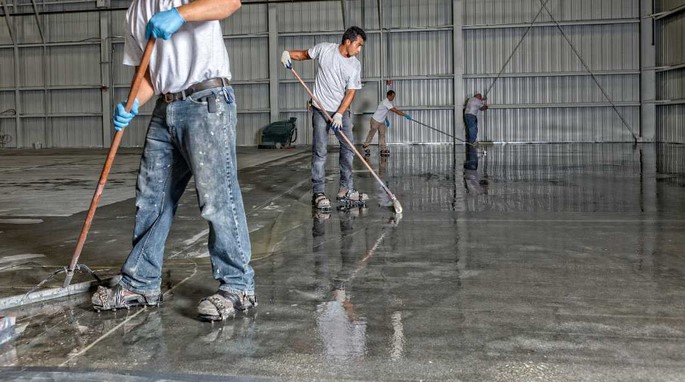
Deep Surface Cleaning: Scrub the tile and grout lines thoroughly using a pH-neutral cleaner or specialized stone stripper. Remove all traces of efflorescence, oil, grease, and old wax.
-
Ensure Complete Desiccation: Never apply sealer to damp stone. Allow the substrate to dry completely for at least 24 to 48 hours after washing.
-
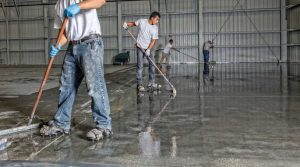
Application Technique: Use a heavy-duty lambwool applicator pad, microfiber roller, or low-pressure pump sprayer. Work in manageable 5×5-foot sections to maintain control over dwell times.
-
Buff Away Excess Liquid: Allow the tile sealer liquid to dwell for 10 to 15 minutes to penetrate deeply. Crucial step: Wipe off 100% of the unabsorbed liquid from the surface using clean, dry microfiber towels before it cures. Leaving excess liquid to dry on top will create sticky, haze-filled residue.
Pro Tip: Perform a simple “Water Drop Test” before and after sealing. Place a few drops of water on the masonry surface. If the stone darkens and absorbs the water within five minutes, it needs to be sealed. If the water forms tight beads on top like raindrops on a freshly waxed car, your protection layer is active.
Hidden Warning: Never apply solvent-based penetrating sealers under direct mid-day sunlight or on scorching hot pavers. Rapid evaporation causes the solvent vehicle to flash off prematurely, trapping the active sealers near the surface and preventing deep pore absorption.
Long-Term Maintenance and Re-Application Cycles
Sealed masonry is not zero-maintenance; it is low-maintenance. Using harsh, acidic chemical cleaners like bleach, vinegar, or ammonia will strip away the protective polymer barrier, leaving your tiles vulnerable again.
-
Daily Care: Clean sealed surfaces using warm water mixed with a dedicated pH-balanced stone soap.
-
Inspect Wear Patterns: High-traffic corridors and entryway floors wear down faster than perimeter walls.
-
Re-Sealing Schedule: Reapply a quality tile sealer liquid every 3 to 5 years for indoor natural stone, and every 1 to 3 years for outdoor patios and pool surrounds.
Preserving Structural Beauty for Decades
Protecting your tile and masonry investment doesn’t demand advanced engineering degrees—it simply requires understanding material science and choosing the proper protective barriers. By integrating a high-performance tile sealer liquid into your maintenance schedule, you ensure your stone stays structurally sound, stain-resistant, and visually captivating for years to come.
How are your indoor or outdoor tiles holding up against moisture and daily wear? Have you tested your stone’s porosity lately? Drop your questions, projects, or favorite sealing techniques in the comments section below!