In the winter of 2018, I got an emergency call at 3:00 AM from a homeowner in upstate New York. A burst copper line in their uninsulated attic had flooded two full floors while they slept, causing over $45,000 in drywall, hardwood, and structural frame damage. The culprit? A single 3-foot section of exposed pipe that had been ignored during pre-winter prep.
That disaster was entirely preventable with twenty dollars worth of insulation sleeves and an hour of methodical planning.
In over ten years of renovating homes and managing winter property restorations, I have learned that cold weather respects no shortcuts. A sudden arctic blast can turn stagnant indoor plumbing into a pressurized ticking time bomb. Implementing a rigorous strategy for winter pipe protect protocols is not an optional seasonal chore—it is your home’s frontline defense against devastating structural loss.
The Physics of Frozen Plumbing: Why Pipes Actually Burst
A common misconception among homeowners is that expanding ice directly rips through a pipe at the exact point of freezing. In reality, the fluid dynamics are far more treacherous.
Think of a frozen pipe like a sealed hydraulic syringe. When an ice plug forms inside a copper or PEX line, it creates a rigid barrier. As more water freezes adjacent to that plug, it expands by roughly 9%, pushing the remaining unfrozen liquid down the pipe toward closed faucets.
+-------------------------------------------------------------+
|               HYDRAULIC PRESSURE DYNAMICS                   |
+-------------------------------------------------------------+
| Ice Plug Forms ──► Traps Unfrozen Water ──► Pressure Soars  |
| (Upstream)         (Downstream)             (Over 2,000 PSI)|
|                                                    │        |
|                                                    ▼        |
|                                            PIPE BURSTS!     |
+-------------------------------------------------------------+
This downstream water has nowhere to go. Hydrostatic pressure spikes rapidly—often exceeding 2,000 PSI—far surpassing the structural threshold of standard residential copper or PVC lines. The failure typically happens downstream from the ice plug, where the pipe is subjected to pure, concentrated internal pressure.
High-Risk Vulnerability Zones in Your Home
Before applying protective measures, you must audit your property’s plumbing network. Not all pipes carry equal risk during a deep freeze.
+-------------------------------------------------------------+
|                 RISK MATRIX BY LOCATION                     |
+-------------------------------------------------------------+
| Location Hazard   | Typical Substrate  | Failure Probability|
+-------------------+--------------------+--------------------+
| Unconditioned Attic| Copper / PEX       | Extremely High     |
| Crawlspace / Basem| Galvanized / Copper| High               |
| Exterior Wall Cav | Copper / PVC       | Moderate to High   |
| Hose Bibs / Spigots| Brass / Copper     | Critical (Direct)  |
+-------------------+--------------------+--------------------+
Unconditioned Spaces
Attics, crawlspaces, unheated basements, and attached garages house the most vulnerable plumbing runs. Ambient temperatures in these zones often match outdoor conditions during prolonged cold snaps, exposing lines to direct sub-freezing drafts.
Exterior Wall Cavities
Plumbing lines installed inside exterior-facing walls are frequently shielded from indoor ambient heat by interior insulation batts. If draft sealing is compromised, frigid air infiltrating through exterior siding will freeze the pipe from behind.
Core Engineering Strategies for Winter Pipe Protect
To achieve comprehensive protection, you need a multi-layered defense strategy combining thermal retention, thermal input, and pressure relief.
       [ STRATEGIC DEFENSE LAYERS ]
                   │
    ┌──────────────┼──────────────┐
    ▼              ▼              ▼
[ Insulate ]  [ Heat Trace ] [ Pressure Valve ]
 (Foam/Rubber) (Self-Reg Cords) (Drip / Relief)
1. Thermal Insulation Sheathing
Covering exposed plumbing with foam polyethylene or elastomeric rubber sleeves slows down heat loss significantly. While insulation alone cannot generate heat, it extends the time required for standing water to reach freezing points during extreme temperature drops.
2. Self-Regulating Heat Trace Cables
For high-risk runs in unheated attics or crawlspaces, passive foam insulation is rarely enough. Installing continuous self-regulating heat trace cable along the underside of the pipe provides controlled electrical thermal energy.
These cables automatically adjust their heat output based on ambient temperature drops, using more power only when conditions warrant it.
3. Draft Exclusion and Air Sealing
A subtle 1/8-inch gap near a rim joist can introduce a jet of freezing air directly onto an uninsulated pipe. Use expanding polyurethane foam or exterior-grade silicone sealant to seal all wall penetrations, vent covers, and floor gaps.
Step-by-Step Execution: Preparing Your System Before the Freeze
Proper execution ensures your safeguards operate seamlessly when temperatures drop below freezing.
+-------------------------------------------------------------+
|                PRE-WINTER PREPARATION FLOW                  |
+-------------------------------------------------------------+
| [ STEP 1 ] Disconnect Exterior Hoses & Shut Off Spigots     |
| [ STEP 2 ] Install Pre-Slit Polyethylene Pipe Insulation    |
| [ STEP 3 ] Apply Self-Regulating Heat Tape on Vulnerable Runs|
| [ STEP 4 ] Seal Rim Joist Penetrations with Expanding Foam  |
+-------------------------------------------------------------+
-
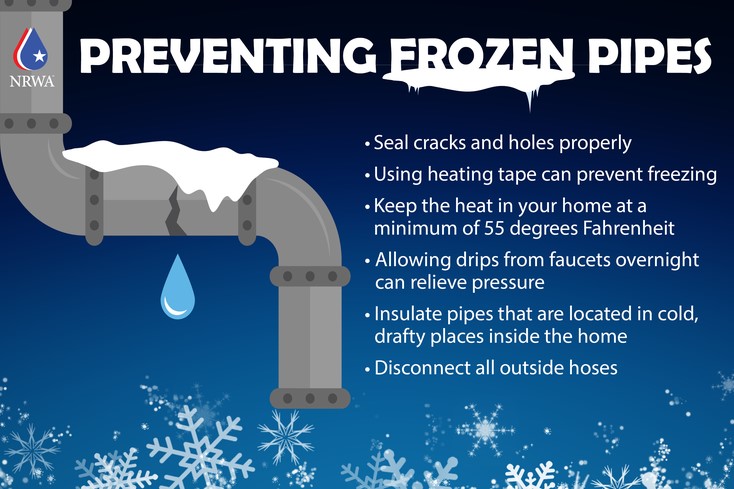
Isolate and Drain Outdoor Fixtures: Disconnect all garden hoses before the first frost. Locate internal shut-off valves dedicated to exterior hose bibs, close them tight, and open the outdoor faucet to drain any remaining trapped water completely.
-
Apply Foam Sleeving: Measure pipe diameters accurately (typically 1/2-inch or 3/4-inch). Install pre-slit foam insulation over every accessible foot of pipe, ensuring joints are tightly abutted and taped with moisture-resistant acrylic duct tape.
-
Set Interior Thermostats: Maintain interior heating at a minimum of 55°F (13°C) day and night, even if you plan to travel. Open vanity cabinet doors under sinks along exterior walls to allow warm indoor air to circulate around hidden plumbing lines.
Pro Tip: In severe sub-zero weather, establish a controlled pressure relief mechanism by allowing a trickle of cold water—roughly the width of a pencil lead—to flow continuously from the faucet furthest from your main supply. Moving water takes much longer to freeze, and the open valve prevents dangerous hydrostatic pressure buildup if an ice plug begins forming elsewhere in the line.
Hidden Warning: Never use standard non-regulating constant-wattage heat tape over plastic PEX piping unless the tape manufacturer explicitly states PEX compatibility. Excessive localized thermal buildup can soften, deform, or structurally degrade PEX walls, leading to high-pressure leaks once the system thaws.
Emergency Protocol: Handling a Frozen Line Safely
If you turn on a faucet during a deep freeze and only a few drops emerge, your system is likely frozen. Handling this situation incorrectly can cause the exact pipe failure you are trying to avoid.
-
Locate the Main Water Valve: Before attempting to thaw any section, ensure you know where your main water shut-off valve is located and test that it turns freely.
-
Open the Affected Faucet: Leave the faucet open so that as the ice thaws, water and trapped pressure can escape safely.
-
Apply Gentle Thermal Energy: Use an electric heating pad, hair dryer, or portable space heater targeted at the frozen section. Never use an open flame torch, which creates extreme thermal shock, destroys pipe integrity, and poses an immediate fire hazard.
Sustainable Long-Term Property Safeguards
Winterizing your plumbing network is not just a seasonal task—it is a core element of responsible home management. Integrating robust winter pipe protect measures keeps your plumbing system secure, preserves your home’s structural integrity, and saves you from costly emergency restoration repairs.
Has your home ever suffered from frozen plumbing during a severe cold snap? What steps do you take each fall to safeguard your supply lines? Drop your questions, experiences, or insulation strategies in the comments below!