In today’s fast-paced world, where convenience and security are top priorities for homeowners, smart home technology continues to revolutionize the way we interact with our living spaces. Among the various advancements, smart home locks have emerged as a game-changer in the realm of home security. These locks not only offer a higher level of protection but also provide unparalleled convenience, enabling homeowners to control access to their homes with a simple touch or command. This article will explore the features, benefits, and considerations of smart home locks, and why they are becoming a must-have addition to modern homes.
What Are Smart Home Locks?
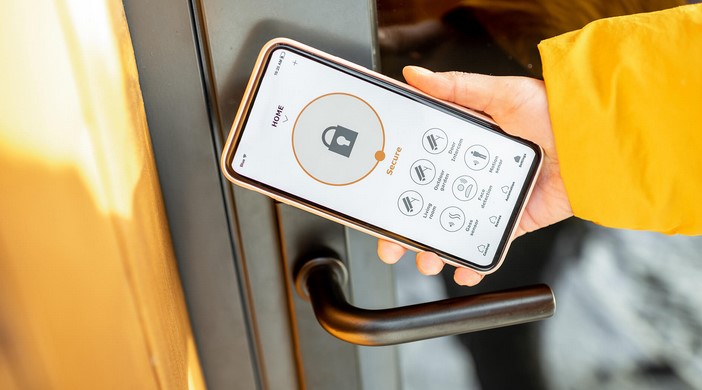
Smart home locks are electronic door locks that allow homeowners to control access to their property remotely. Unlike traditional locks that require a physical key, smart locks offer keyless entry through a variety of methods, such as smartphones, key fobs, biometric scans, or even voice commands. These locks can be controlled via mobile apps or integrated with home automation systems to provide enhanced security features and convenience.
Smart home locks come in different styles and configurations, allowing homeowners to choose a lock that best suits their needs and aesthetic preferences. Whether you want to remotely lock and unlock your doors, grant temporary access to guests, or monitor who enters and exits your home, smart home locks make all of this possible.
The Benefits of Smart Home Locks
Smart home locks offer a variety of benefits that enhance both security and convenience. Here are some key advantages of making the switch to a smart lock system:
1. Convenience and Keyless Entry
One of the most significant benefits of smart home locks is the convenience they provide. Gone are the days of fumbling with keys or worrying about forgetting to lock the door. Smart locks allow you to lock and unlock your doors from anywhere using your smartphone, tablet, or even a smart watch. This is especially useful when you’re returning home with hands full of groceries or for quick access when you’ve left your keys behind.
Additionally, many smart home locks offer multiple methods of entry, such as fingerprint scanning, facial recognition, or pin codes, further eliminating the need for traditional keys.
2. Enhanced Security Features
Smart home locks are designed with enhanced security features that provide a higher level of protection compared to conventional locks. Many smart locks offer features like auto-locking, which ensures that your door locks automatically after a set period, minimizing the risk of leaving your door unlocked.
Additionally, smart locks typically provide real-time alerts whenever the door is locked or unlocked. This allows homeowners to monitor access and ensure that no unauthorized individuals enter their property. Some models even offer remote access, enabling you to unlock the door for trusted visitors or service personnel without having to be physically present.
3. Remote Access and Control
The ability to control access to your home remotely is another major advantage of smart home locks. Most smart locks are equipped with mobile apps that allow you to lock or unlock your door from anywhere in the world, as long as you have an internet connection. This is particularly useful for situations when you need to grant access to a guest, contractor, or delivery person, but aren’t home to do it yourself.
In addition, you can track entry and exit activity, allowing you to monitor who is coming and going. This feature is ideal for families, renters, and homeowners who want to keep tabs on the security of their property at all times.
4. Temporary Access for Guests
Many smart home locks offer the ability to create temporary access codes for guests, family members, or service personnel. Instead of handing out spare keys or worrying about lost copies, you can issue one-time or recurring codes that can be programmed to expire after a set time. This feature is perfect for giving trusted visitors access to your home when you’re away, without compromising long-term security.
This level of control over access makes it easier to manage guest visits, short-term rentals (like Airbnb), and deliveries, providing flexibility and peace of mind.
5. Integration with Home Automation Systems
Smart home locks often integrate with broader home automation systems, enabling them to work in tandem with other smart devices in your home. For example, you can program your smart lock to unlock automatically when you approach the door, or lock itself when you leave the house. Additionally, some systems allow smart locks to interact with alarm systems, lighting, and other security features to enhance the overall security of your home.
This level of automation creates a seamless, interconnected smart home experience, where security, convenience, and energy efficiency are all synchronized.
Considerations Before Installing Smart Home Locks
While smart home locks offer significant advantages, there are a few important factors to consider before installation:
1. Compatibility with Existing Doors
Before choosing a smart lock, it’s essential to ensure that it will work with your existing door hardware. Some smart locks are designed to fit most standard deadbolt systems, while others may require more specific door configurations. It’s important to carefully measure your door and check the compatibility of the lock you’re interested in to ensure a smooth installation process.
2. Battery Life
Most smart locks operate on battery power, which means they will require periodic battery changes. Depending on the lock and usage, batteries typically last between six months to a year. Many smart locks come with low-battery alerts to give you plenty of warning before the batteries die, but it’s still something to keep in mind when installing and using the lock.
To minimize the inconvenience, look for smart locks with long-lasting batteries or consider models that allow you to connect them to an external power source in case of emergency.
3. Internet and Connectivity Issues
Smart home locks rely on internet connectivity to allow remote access and control. If you have a weak or unreliable internet connection, you may experience delays or issues when trying to lock or unlock your door remotely. Before installing a smart lock, make sure your Wi-Fi network is strong and stable, or consider using a lock that offers Bluetooth or Zigbee connectivity as an alternative.
4. Security Concerns
While smart locks provide a higher level of security, it’s important to be aware of potential cybersecurity risks. Always choose a reputable brand and ensure that the lock uses strong encryption methods to protect against hacking. Many smart locks allow you to set up two-factor authentication or require secure passwords, adding an extra layer of protection.
5. Installation and Setup
Installing a smart lock is typically a straightforward process, but it may require some technical know-how, particularly if you’re integrating it into a home automation system. Many smart locks offer DIY installation, while others may require professional assistance. Be sure to follow the manufacturer’s instructions carefully to ensure proper installation and functionality.
Smart home locks are revolutionizing home security by offering enhanced protection, convenience, and flexibility. From keyless entry and remote access to temporary access codes and integration with home automation systems, these locks provide a modern solution for securing your home. While there are considerations to keep in mind, such as compatibility with your door and battery life, the benefits far outweigh the drawbacks for many homeowners. As technology continues to advance, smart locks are becoming an essential part of the modern home, offering a secure and convenient way to protect your family and belongings. Whether you’re upgrading your current locks or starting from scratch, smart home locks are an investment that enhances both security and convenience in ways that traditional locks simply can’t match.